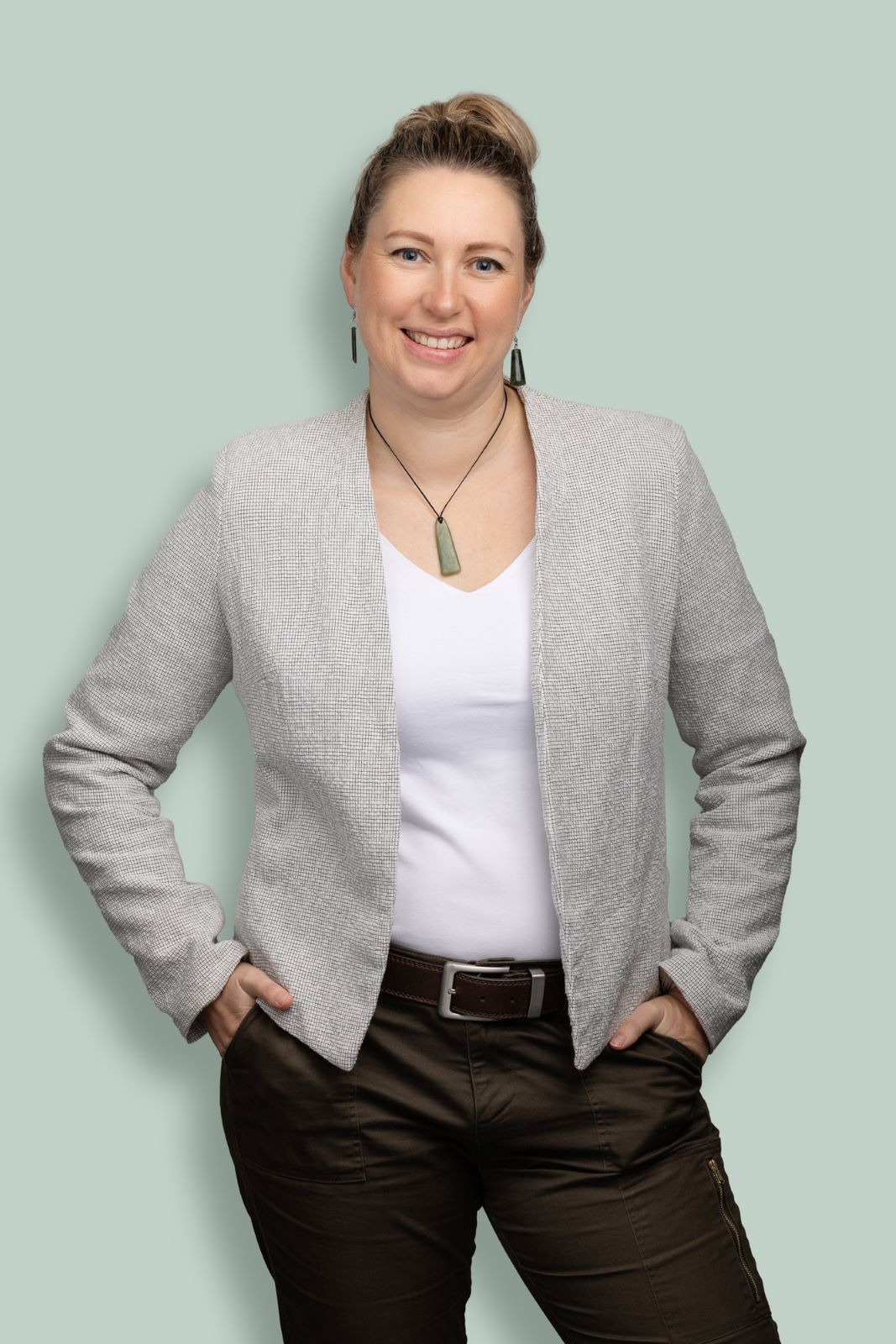
The education nobody asked for.

My first concussion was at twelve years old. Back then, no one really talked about it, long before the internet made information accessible. By the time I was thirty, I'd had six. Sports, car accidents, life. Each one quietly accumulating.

Then in 2015, everything changed. I went out for a casual game of football and woke up to a reality I didn't recognise. The next eighteen months were some of the hardest of my life, relearning to talk properly, intensive physiotherapy, therapy of every kind, and the slow, exhausting climb back to work.

Then in 2017, I went to lunch with a friend. A heavy metal outdoor umbrella pole fell on my head. The physical damage to my neck was significant, but the psychological weight was something else entirely. And in 2022, another car accident. Total concussions: eight.

Before 2015 I had a clear sense of who I was. A career I was proud of, my son, a solid group of people around me. My identity was tied up in being a capable mother, a driven professional. When that capacity was suddenly gone, it wasn't just disorienting. It was grief. It took nine years to get a permanent injury diagnosis. At my lowest point, I didn't want to be here anymore.

But in 2017 I met my husband and became a stepmum. Slowly, a new version of life took shape, different from before, but fuller in ways I didn't expect. I've come to see my concussions less as things that happened to me, and more as brutal, unwanted wake-up calls that cracked me open.

I'm now studying a postgraduate diploma in counselling. I work in engagement and communications. I create. I renovate. I keep going. I'll always be chasing another percentage better. That's just who I am.

"Knowledge is power when you put it into action. We live in an ever changing world and everyday is a fresh opportunity to try something new"

The belief at the heart of this platform

The journey

1990s First concussion at age 12
2015 Serious concussion playing football. Life changes significantly.
2017 Umbrella pole. Neck injury. Psychological turning point. Met my husband. New chapter begins.
2022 Concussion 8. Another car accident.
2024 Permanent injury diagnosis. Nine years in the making.
2025 Brain Recovery Map and the Concussion Reflection Tool go live.

Recovery advice is generic.
People aren't.

Over the years I collected everything that helped. I started putting it all together so that when my memory wasn't working, I had a reference. Then I thought, maybe other people might find this useful too.

The frustration that drove the tool is simple: recovery advice is almost always generic, but the factors that shape how long recovery takes are deeply personal. Your nervous system baseline. Your personality patterns. The environment you're recovering in. None of that shows up in a standard assessment.

This tool doesn't replace clinical care. It sits alongside it. It gives the person in recovery a way to name what's happening, and gives the people supporting them, clinicians, coaches, family, a clearer picture of who they're actually working with.

If I'd had something like this in 2015, some of those nine years might have gone differently.

🧩

For people in recovery

Name what's happening. Understand why recovery feels the way it does. Have better conversations with your healthcare team.

🩺

For clinicians

Your clients arrive with a report that surfaces what they can't always articulate. Complementary to your work, not replacing it.

🏉

For coaches and teams

Baseline your athletes before injury happens. Know who's higher risk and what support will actually work when it's needed.

More tools on the way.

Brain Recovery Map started as a personal reference and grew into a platform. Two tools are live now — a recovery tool for people navigating concussion, and a Sports Brain Profile for athletes to baseline before injury occurs. More are in development, all grounded in the same philosophy: that insight into how you are wired is the starting point for any recovery.

The library is organised around Te Whare Tapa Whā, because healing a brain injury isn't just physical. It's everything.

Concussion Recovery Tool

Maps 26 brain function areas before and after injury, with personality wiring and a personalised PDF report.

Live Take it →

Sports Brain Profile

Pre-injury baseline for athletes. Maps brain function and personality wiring before any concussion occurs.

Live Take it →

Clinician & Coach Portals

Portals for managing client recovery profiles and team baselines..

Coming soon

Youth Recovery Tool

A purpose-built recovery tool for under 18s, co-designed with clinicians.

Planned

Burnout Wiring Profile

Maps how you are wired for burnout across Mind, Body, and Environment.

Planned

Recovery Library

36 articles organised by Te Whare Tapa Whā. Physical, mental, spiritual, social, and land.

Live Browse →

Questions, ideas,
or just a kia ora.

Whether you're a clinician curious about using the tool with your clients, a sports organisation thinking about baseline profiling, or someone who just wants to share their experience, I'd love to hear from you.

Clinicians and allied health professionals interested in the tool
Sports clubs, teams, and coaches exploring baseline profiling
Researchers, academics, or media enquiries
People in recovery who want to share feedback or their story
Anyone who just wants to say hello

I'll get back to you within a few days.